Playgrounds are the living rooms of childhood, where laughter echoes and friendships are forged in the sandpit of imagination. Yet for some kids, the same bright slides and swings can feel like a maze of invisible walls. If you’ve noticed that your child seems to wander through recess with a sense Environmental exposures of detachment or struggles to join the group games, you might be seeing autism signs in children who have difficulty with social interactions in the playground. This article will help you recognize those subtle cues, understand the underlying challenges, and offer practical ways to create a welcoming play environment.
Understanding the Playground Landscape
The Social Playground: A Microcosm of Interaction
In the grand theater of childhood, the playground is the stage where social scripts are written and rehearsed. Children learn to negotiate turns, share equipment, and read each other’s moods—all without a manual. When a child consistently skips these rehearsals, it can signal a deeper difficulty in navigating social cues.
Why Playgrounds Matter for Development
Recess isn’t just a break from academics; it’s a sandbox for developing empathy, conflict resolution, and cooperation. These skills are critical for later academic and professional success. When a child is excluded from this natural classroom, the learning curve steepens.
Common Autism Signs in Playground Settings
Eye Contact and the Art of Looking
- Avoiding eye contact: The child may look away or stare at the ground. Unusual staring: Fixating on a single object rather than the people around. Brief, fleeting glances: Quick, almost imperceptible eye contact that doesn’t lead to conversation.
Repetitive Play and the Looping Lasso
Repetitive behavior isn’t just a quirky Developmental pediatrician habit; it can be a coping mechanism. Watching a child line up blocks in a perfect row or repeatedly spin a plastic wheel can be a sign that the sensory input is more comfortable than the social one.
Sensory Sensitivities: The Quiet Storm
- Overreacting to loud noises: Sudden withdrawal when the playground gets noisy. Avoiding crowds: Seeking solitude in a corner or on a swing alone. Unease with touch: Discomfort when others touch them or when they touch others.
Beyond the Signs: Observing the Whole Child
Communication Beyond Words
Many children with autism use alternative communication methods—sign language, picture exchange, or simple gestures. Notice if your child uses these tools more often during play than in other settings.
Peer Relationships and the Lonely Island
It’s not uncommon for children to feel like an island in a sea of peers. Observe if they:
- Join games but don’t engage: They may be present but not interacting. Prefer solitary play: They might choose to play alone even when others are nearby. Show discomfort when approached: A subtle shift in body language or a sigh.
Practical Tips for Parents and Educators
Creating Inclusive Play Spaces
- Designate “quiet corners”: Areas where a child can retreat if overwhelmed. Use visual schedules: Timelines of play activities to reduce anxiety. Encourage peer buddies: Pair a child with a friendly, patient peer for shared activities.
Encouraging Small Wins
- Celebrate micro-successes: Praise a child for sharing a toy or for following a game rule. Use positive reinforcement: Rewarding desired social behavior boosts confidence.
When to Seek Professional Guidance
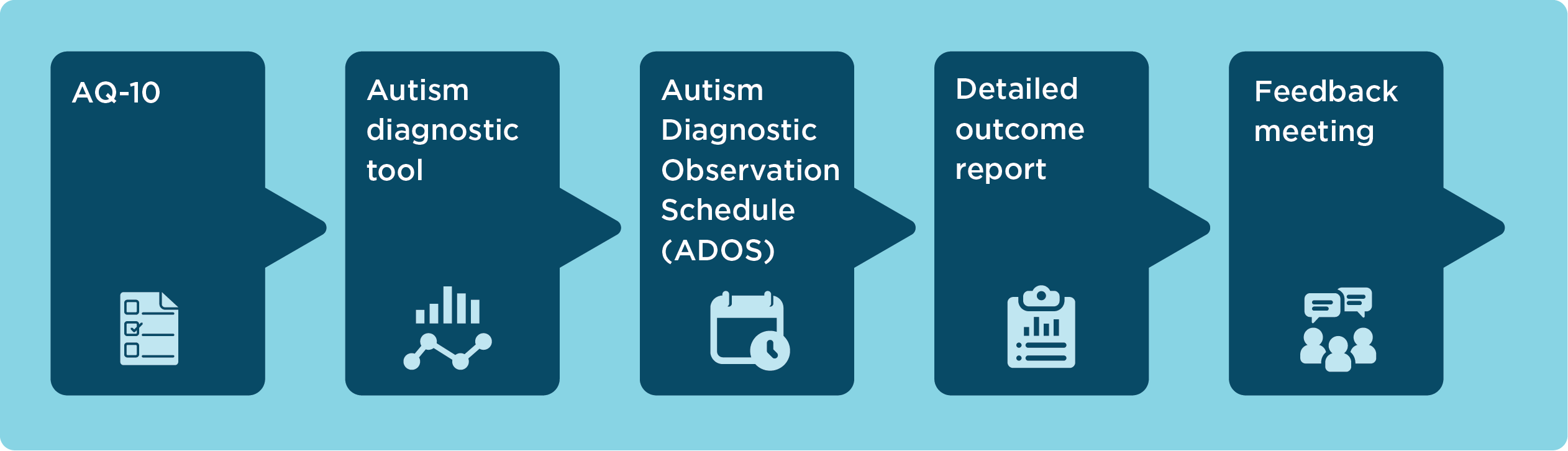
If you notice persistent patterns—difficulty making eye contact, repetitive play, or sensory overload—consider a developmental evaluation. Early intervention can dramatically improve social outcomes.
A Real-Life Anecdote: The Day the Ball Went Missing
Last month, at Maple Elementary, a bright red ball vanished from the playground. The whole class buzzed with frantic searching. Amid the chaos, 8‑year‑old Maya—who rarely joins games—quietly approached the teacher with a single observation: “The ball is under the bench.” While the rest of the class was chasing after it, Maya calmly pointed. That simple act broke the ice. Soon, she was invited to the game, and the class learned that a quiet voice can be a powerful tool. This anecdote reminds us that sometimes the most obvious clues are hidden in plain sight.
> “Every child is a world of possibilities.” – Unknown
Turning Awareness into Action
Recognizing autism signs in children who have difficulty with social interactions in the playground is the first step toward fostering inclusion. By observing eye contact, repetitive play, and sensory sensitivities, you can create a supportive environment that turns potential isolation into opportunity. Remember, the playground is a living classroom where every child deserves a seat at the table. Use the insights here to build bridges, celebrate small victories, and keep the laughter echoing for everyone.